People with lung cancer who participate in a smoking cessation program can achieve smoking abstinence rates of more than 30%, according to research presented at the International Association for the Study of Lung Cancer (IASLC) World Conference on Lung Cancer.
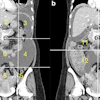
A team of U.K. researchers developed the Yorkshire Enhanced Stop Smoking (YESS) trial, which offered support to people who attended a lung health event. Forms of support included an interventional track with a booklet of annotated CT images of the participants' heart and lungs and a standard track that comprised smoking cessation information communicated by a healthcare practitioner.
Presenter Rachel Murray, PhD, of the University of Nottingham and colleagues found that of 2,150 people offered this support, 1,003 smokers took advantage of it, with 52.5% of these individuals assigned to the intervention group. The researchers also discovered the following:
- The seven-day smoking abstinence rates following a lung health check in the intervention group were 33.6% and 30% in the control group.
- At three months after a lung health check, smoking abstinence rates were 29.3% in the intervention group and 28.6% in the control group.
"The presence of a co-located stop smoking service and offer of immediate, opt-out delivery of behavioral and pharmacological support for quitting results in a high uptake by people who smoke and attended a lung screening event," Murray said in a statement released by the IASLC.